Hi all, I'm back from Batam. Sorry I was not at the airport to send Joy off. I have to prepare for lessons tomorrow and to be at home for dinner. Anyway, wanna share some stuff with you guys.
I started reading Philip Yancey's What's so amazing about grace during the trip. I did not finish the book, but I like it so far. It has been talking about forgiveness between one another so far, so I thought I should share it with you. Disclaimer: these are just my thoughts so far, and I will quote slightly from the author. :)
To begin with, there was abit on grace. Remember the song Amazing Grace (My Chains Are Gone)? I saw a link between the chains that we are bounded by to that of what I have read. The chains can represent the chains of ungrace. As the saying goes, an eye for an eye. In our world, if people take revenge, this becomes an endless chain of doings to others. Grace breaks this chain, because people forgive, so there is no more revenge, and this is, in my opinion, what the world needs, with evidence from the wars waged decades and centuries ago, and the tension between countries today because of the hatred borne from the experiences in concentration camps and the deaths of soldiers and civilians alike.
What separates christians from every other belief is grace. No person in other beliefs talk about loving our enemies, except in christianity. By this, we can be testimonies for our Lord because we do not seek revenge, but we love our enemies and forgive wrongdoings done to us.
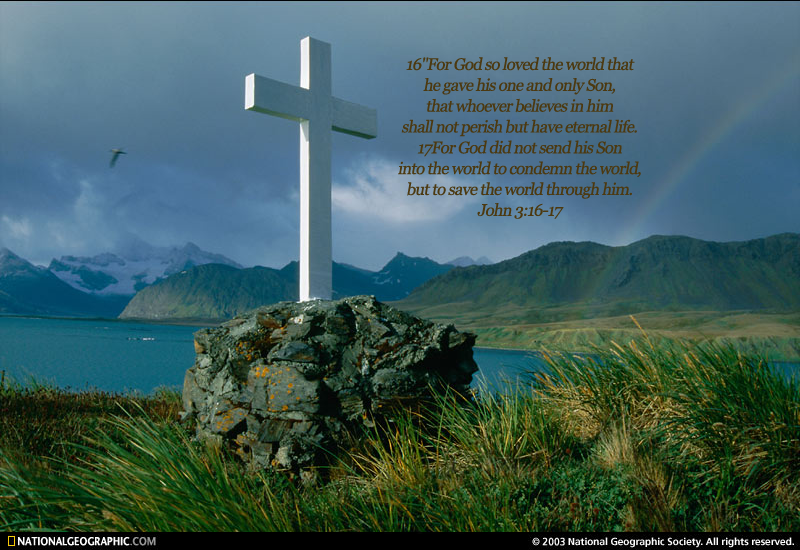
Also, this is also another notion that dawned on me. God does not associate Himself with sin, because He is pure and holy. He sent His son down to experience all these so that through Jesus, He can understand what we are dealing with, and that we can have a high priest who is able to sympathize with our weaknesses (Heb 4:15). With this, God will not let us face temptations that we cannot bear (1 cor 10:13). This is because He understands what we are going through. This sounds really interesting to me, I have never seen it in this way before, if you know what I mean. :)
Lastly, forgiveness is an act of faith, that we trust that God is much wiser and better than me in deciding what the person should deserve. I like these few paragraphs from the book:
"At last I understood: in the final analysis, forgiveness is an act of faith. By forgiving another, I am trusting that God is a better justice-maker that I am. By forgiving, I release my own right to get even and leave all issues of fairness for God to work out. I leave in God's hands the scales that must balance justice and mercy.
When Joseph finally came to the place of forgiving his brothers, the hurt did not disappear, but the burden of being their judge fell away. Though wrong does not disappear when I forgive, it loses its grip on me and is taken over by God, who knows what to do..."
Justice is not for us to pursue. In fact, when it comes to justice, there is no justice in grace. As mentioned, if justice takes over, revenge is never-ending. Thus, I gather that justice is not for us to pursue, but God. For us, we should spread the grace of God, the very grace that caused us to be forgiven by God, when we were utter sinners and there was no way to Heaven for us. When I put things in such a perspective, I feel less high and mighty and more ready to forgive and love the people I don't believe deserve my love. After all, who actually deserves God's love?
I pray that I will be more loving and less revengeful, as I am prone to do so. Oh, the struggle of taking up justice in my own hands.
Regards,
Yin Ting
Monday, July 21, 2008


Subscribe to:
Comments (Atom)